2026-01

Ukiyo-e Figures

Kitagawa Utamaro — The Artist Who Painted What Beauty Felt Like

Kitagawa Utamaro is often described as a painter of beautiful women.But that description is incomplete.Utamaro did not simply record appearances.He explored perception — how beauty is seen, sensed, and quietly judged.In Edo-period Japan, beauty was everywhere.In teahouses.On streets.Behind paper screens.
Ukiyo-e Figures

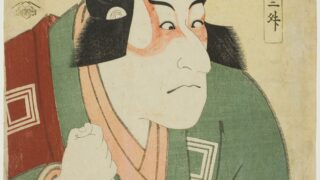
Tōshūsai Sharaku — The Artist Who Appeared, Shocked Edo, and Vanished

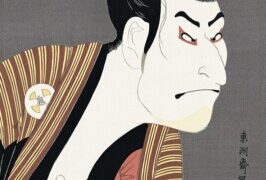
In the late Edo period, a mysterious artist emerged without warning and disappeared just as abruptly. His name was Tōshūsai Sharaku.Unlike other ukiyo-e artists who pursued beauty and elegance, Sharaku painted something far more unsettling: faces caught in tension, distortion, and raw emotion.
Ukiyo-e Landscapes

🖼️ Hiroshige — The Art of the Passing Moment

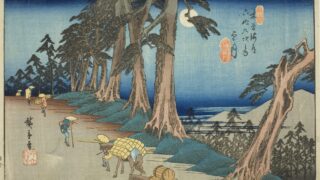
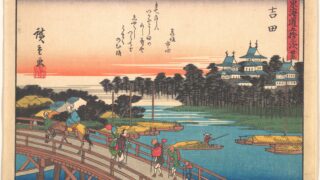
When people speak of ukiyo-e, they often think of bold waves or dramatic motion.Hiroshige chose another path.He painted what passes.A sudden rain shower.Footsteps fading on a bridge.Snow falling before anyone notices it has begun.Hiroshige’s landscapes are not monuments.They are moments already leaving.
Ukiyo-e Landscapes

Hokusai — The Artist Who Never Stopped Moving

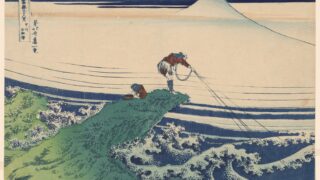
Katsushika Hokusai was not simply a master of ukiyo-e.He was an artist who used drawing to rethink the world itself. Waves, mountains, clouds, people—everything in his work is alive. Even in still images, time seems to surge forward. That sensation of motion is the core of Hokusai’s art.
Ukiyo-e Figures

The Quiet Power of Beauty — Kitagawa Utamaro and the Gaze That Never Rests

Utamaro is remembered as the master of bijin-ga—portraits of beautiful women. Yet to call his work merely “beautiful” is to miss its unsettling depth. His women do not simply pose. They observe. They exist in a moment just before movement, just after thought, suspended between being seen and seeing back.
Ukiyo-e Figures

Tōshūsai Sharaku — The Artist Who Looked Too Deep

In the late 18th century Edo, ukiyo-e artists were expected to flatter their subjects.Actors were heroic. Faces were elegant. Expressions were controlled.Sharaku did the opposite.His portraits confront the viewer.Eyes bulge. Mouths twist. Hands claw the air.These are not idealized actors — they are moments of exposure, when performance slips and something human, even unsettling, appears.Sharaku’s works feel less like illustrations and more like psychological snapshots.
Ukiyo-e Landscapes

Where Does the Road Lead at Night?

Hiroshige and the Landscapes That Stand Between WorldsIn Edo Japan, roads were never just routes for travel.They were lines drawn between day and night, safety and uncertainty, this world and something beyond it.No artist understood this quiet tension better thanUtagawa Hiroshige.