Ukiyo-e Figures

Ukiyo-e Figures

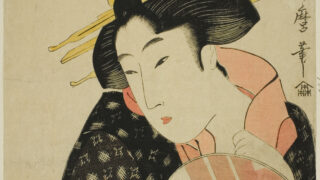
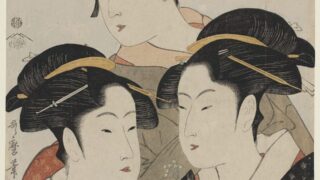
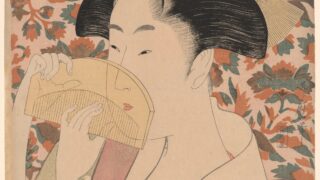
Utamaro — The Quiet Intelligence of Beauty

Before beauty becomes decoration,it is observation.Before a face becomes idealized,it is studied.Kitagawa Utamaro did not paint women as symbols.He painted them as presences.In late eighteenth-century Edo,where pleasure districts defined fashion and fantasy,Utamaro turned his attention inward.
Ukiyo-e Figures

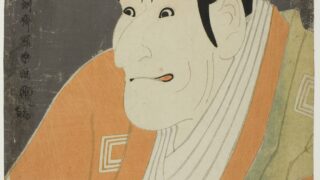
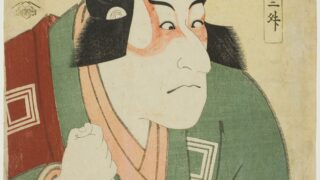
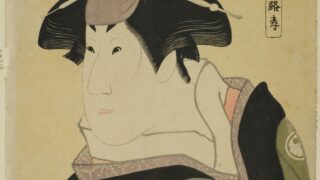
Tōshūsai Sharaku — The Gaze That Refused to Flatter

There are artists who decorate the world.And then there are artists who expose it.Sharaku belonged to the second kind.Active for less than a year in 1794–1795, Sharaku appeared suddenly in Edo’s vibrant print culture — and vanished just as quickly. In that brief window, he created some of the most psychologically intense portraits in ukiyo-e history. His subject was not landscape, not beauty, not serenity.
Ukiyo-e Figures

Kitagawa Utamaro — The Intimate Architect of Beauty

In the floating world of Edo, beauty was everywhere — in fashion, in gesture, in fleeting glances across a room.But no artist observed it as closely, or as quietly, as Kitagawa Utamaro.Utamaro did not paint battles.He did not dramatize landscapes.He studied faces.More precisely, he studied presence.In his celebrated bijin-ga — pictures of beautiful women — Utamaro narrowed the frame.He brought the viewer closer.Closer than most ukiyo-e artists had dared.
Ukiyo-e Figures

Tōshūsai Sharaku — The Gaze That Refused to Flatter

The Edo stage was luminous.Kabuki actors were icons —celebrated, admired, idealized.But Tōshūsai Sharaku did not paint admiration.He painted tension.
Ukiyo-e Figures

Sharaku — The Actor Who Looked Back

In the history of Japanese art, few names feel as mysterious as Tōshūsai Sharaku.He appeared suddenly in Edo in 1794.Within less than a year, he produced around 140 actor portraits.Then he vanished.No farewell.No explanation.No confirmed identity.Yet in that brief moment, Sharaku changed the way faces were drawn.
Ukiyo-e Figures

喜多川歌麿 — Beauty in Stillness, Emotion in Detail

In the floating world of Edo, actors dazzled, warriors posed, and landscapes expanded toward distant horizons.But Kitagawa Utamaro chose something closer.He chose the face.Not as decoration —but as psychology.Utamaro’s bijin-ga, or “pictures of beautiful women,” are not portraits of individuals in the Western sense. They are studies of mood, posture, thought. A lowered eyelid. A half-hidden smile. A hand resting lightly against fabric.
Ukiyo-e Figures

Sharaku — The Artist Who Appeared, Looked Back, and Vanished

Among the masters of ukiyo-e, Tōshūsai Sharaku stands apart.Not because of longevity.Not because of volume.But because of silence.Sharaku’s entire known body of work appeared suddenly in 1794 — and disappeared just as quickly, within less than a year. In that brief window, he produced some of the most unsettling and psychologically direct portraits in Japanese art history.
Ukiyo-e Figures

Kitagawa Utamaro — Not Beauty, but the Moment Before It Speaks

The women in ukiyo-e are often called beautiful.But beauty was never Utamaro’s final subject.What Kitagawa Utamaro captured was something quieter —a presence that exists just before expression takes form.His figures rarely meet the viewer’s gaze.A mouth softens, a head tilts slightly,a thought seems to pause before becoming language.Utamaro did not paint ideals.He left traces of becoming.
Ukiyo-e Figures

Tōshūsai Sharaku: The Artist Who Refused to Flatter

Among the masters of ukiyo-e, no artist feels as modern — or as unsettling — as Tōshūsai Sharaku.His works do not invite comfort.They confront.Where others softened faces and idealized beauty, Sharaku exposed tension, fatigue, and psychological strain. His actors are caught mid-expression: lips tight, eyes sharp, gestures awkward or exaggerated. These are not portraits meant to please. They are moments meant to reveal.
Ukiyo-e Figures

Kitagawa Utamaro — The Artist Who Painted What Beauty Felt Like

Kitagawa Utamaro is often described as a painter of beautiful women.But that description is incomplete.Utamaro did not simply record appearances.He explored perception — how beauty is seen, sensed, and quietly judged.In Edo-period Japan, beauty was everywhere.In teahouses.On streets.Behind paper screens.